


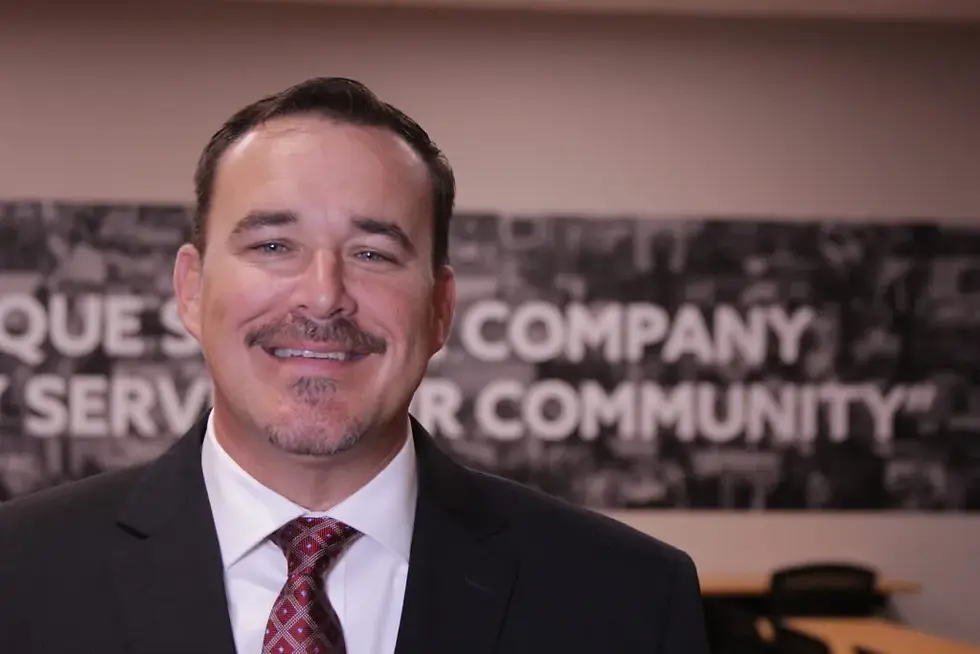
BOP DEPUTY DIRECTOR SMITH IS THE REAL DEAL


As an inmate, I am sometimes able to share an “insider” perspective with inmates’ families and our A Better Tomorrow (ABT) followers on various topics. ABT published a background blog on Deputy Director Smith a few months ago, and today I’m pleased to share a recent, real-world, in-person perspective to further expand on it.
Deputy Director Smith visited our camp facility a week ago Sunday. Apparently, he stayed for three to four days, visiting all four facilities on the complex, as well as the operations warehouses and even our working farm. He also held several meetings with prison leaders and personnel. I heard through "inmate.com" that he even brought back around 10 former inmates who had served their sentences here and later became successful contributors to society. During a staff town hall, they were used as examples of what the staff’s real job is: helping inmates achieve successful reentry and never return to prison.
Truthfully, I was impressed that he even thought of that, because “reducing recidivism” is often just words without action. In my view, Deputy Director Smith took real action.
He is the real deal.
I’m comfortable sharing this perspective and opinion based on my firsthand experience with him that Sunday. In addition to meeting with staff and guards, he was incredibly accessible to inmates — very accessible. Beginning around 11:00 a.m. during lunch chow on Sunday, I watched him tour two dorms housing about 100 men each, speaking with every inmate who wanted to talk with him. I observed from the parking lot as a group of six officials, including the Warden, Smith’s security detail, and his assistant, walked with him while constantly taking notes and documenting information.
As I watched them load into SUVs, I figured they were headed to our dorm next, and sure enough, they arrived about an hour later. Completely unannounced and unexpected, Mr. Smith asked everyone there — about 40 to 50 of us — to gather around for a “town hall” discussion. It ended up lasting about 30 to 40 minutes. Here’s what I heard:
Smith has strong credibility with inmates because of his life story, including time in juvenile hall as a teenager and later serving a five-year sentence in the BOP at age 21.
He shared stories about his family and business successes to demonstrate what is possible after incarceration, encouraging everyone to pursue success upon reentry.
His pardon by President Trump in 2020 also earned him significant credibility with many of the inmates. He is the first formerly incarcerated person to become a BOP employee — and now a Deputy Director.
His memory of how poorly the BOP operated 25 years ago is remarkably detailed. He referenced numerous issues that sounded eerily familiar to me and acknowledged that not much has changed. He even discussed smaller issues, such as commissary spending limits, that he is focused on improving.
It was clear that part of his discussion was directed toward the Warden and staff in attendance, as much of his focus appears to be on changing the culture within the BOP. At one point, when an inmate complained about an issue that was not being properly addressed, Smith interrupted the Warden’s attempt to defend the staff and instead instructed the inmate to provide the information directly to his assistant so it could be documented and tracked through resolution.
I appreciated how seriously he handled several inmates’ concerns regarding First Step Act issues. He personally took photos of their paperwork with his phone and sent them to an analyst in Washington, D.C. He also told the group that if he discovered calculation issues with those cases, he would have the entire camp’s records recalculated. That sent a powerful message to me.
The BOP will reportedly be providing each inmate with a new tablet featuring Wi-Fi capability, as well as free phone and video calls beginning in June. Unlimited minutes would resolve many communication problems that currently exist within the facility.
From my perspective, after so many people have struggled with First Step Act issues for years, he was a breath of fresh air. Both in the way he communicated his priorities and in the way he interacted with people, he demonstrated leadership and accountability.
Rest assured, both Deputy Director Smith and Director William Marshall III have their hands full trying to reform the BOP. But at least now, it feels like there is a genuine opportunity for change. This is not a three-year mission — it is probably a ten-year mission, if you ask me. Let’s just hope Congress gives them the time and resources necessary to make meaningful reforms happen.
Deputy Director Smith is definitely the real deal.

Comments